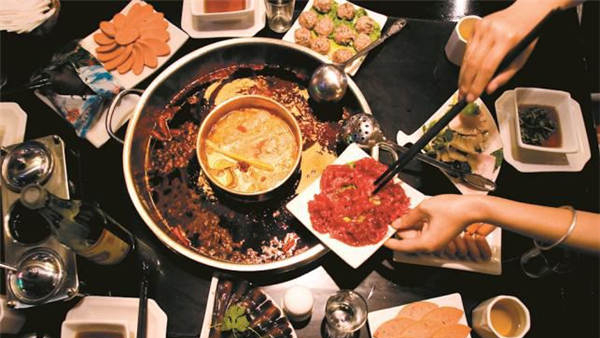
Sichuan Hot Pot
Introduction
Sichuan Hot Pot, a quintessential dish in the realm of Sichuan cuisine, is celebrated for its bold and spicy flavors, fresh ingredients, and aromatic appeal. Known for its communal style of dining, the hot pot experience involves a simmering pot of broth placed at the center of the table, in which diners cook various meats, vegetables, and other ingredients themselves. This style of dining not only enhances the dining experience through interaction but also allows individuals to tailor their meals to personal taste preferences. The defining characteristic of Sichuan Hot Pot is its spiciness, achieved through the use of chili peppers and other potent spices. This hot pot represents much more than just a meal; it is a cultural tradition and a symbol of Sichuan's vibrant culinary heritage. The typical accompaniments for Sichuan Hot Pot include dipping sauces made from sesame oil, garlic, and green onion, adding another layer of flavor to the already rich broth. Over time, Sichuan Hot Pot has evolved and adapted to include a wide variety of ingredients, from thinly sliced meats and seafood to tofu and mushrooms, making it a versatile and inclusive dish that caters to different dietary preferences.
History
The roots of Sichuan Hot Pot trace back to the Qing Dynasty (1644-1911) in a small town on the upper reaches of the Yangtze River. It is believed that local boatmen initially created this dish to combat the cold and humid weather. They used available ingredients such as meat, vegetables, and hot peppers to craft a spicy and warming soup. Over centuries, Sichuan Hot Pot has undergone significant transformation and refinement, becoming a major player in Sichuan's culinary scene. The dish has gained immense popularity, both within China and internationally, thanks to its unique taste and the engaging eating experience it offers.
Ingredients
Broth
The broth is the heart of Sichuan Hot Pot, characterized by its fiery red color and robust flavors. The spicy essence is primarily derived from the liberal use of chili peppers, which impart both heat and color. Typically, two types of chili peppers are blended to create the soup base, ensuring a perfect balance of spiciness and aroma. Peppers sourced from Muma Mountain in Sichuan province are often used for their ability to produce a bright red color, while Weiyuan pepper and Pixian bean paste are added to enhance the fragrance and depth of the broth. The combination of these ingredients creates a multi-layered flavor profile that is both intoxicating and satisfying. The broth acts as a canvas for various ingredients to be cooked in, absorbing and enhancing their natural flavors as they simmer.
Meats
A wide variety of meats are traditionally used in Sichuan Hot Pot, offering diners a rich and diverse culinary experience. Common choices include thinly sliced beef and mutton, selected for their ability to cook quickly and absorb the rich flavors of the broth. Seafood such as shrimp, fish slices, and squid also make frequent appearances, adding a delicate sweetness that contrasts with the spicy broth. The inclusion of offal, such as tripe and duck blood, is a nod to traditional Chinese palate preferences, providing interesting textures and flavors. Each type of meat contributes its unique taste and texture to the overall hot pot experience, allowing diners to enjoy a range of flavors in a single meal.
Vegetables and Tofu
Vegetables and tofu serve to balance the intense flavors of the Sichuan Hot Pot, adding freshness and variety to the dish. Leafy greens such as spinach, lettuce, and cabbage are popular choices, as they cook quickly and provide a refreshing contrast to the spicy broth. Starchy vegetables like potatoes and lotus root offer a hearty texture, while mushrooms such as shiitake and enoki contribute earthiness and depth. Tofu, available in several forms including firm blocks and soft slices, absorbs the broth’s flavor beautifully, providing a protein-rich option for vegetarians and meat-eaters alike. The inclusion of these ingredients ensures that Sichuan Hot Pot is a well-rounded dish that caters to diverse tastes and dietary requirements.
Spices and Condiments
Spices and condiments are essential in defining the unique flavor profile of Sichuan Hot Pot. In addition to chili peppers, Sichuan peppercorns play a crucial role, imparting a numbing sensation that is a hallmark of the dish. Aromatic herbs and spices such as garlic, ginger, and star anise are often included, adding complexity and depth to the broth. Dipping sauces are an important component of the hot pot experience, providing additional layers of flavor. Commonly made from sesame oil, garlic, and green onion, these sauces allow diners to customize their taste experience further. The interplay of spices and condiments in Sichuan Hot Pot creates a rich tapestry of flavors that is both exciting and satisfying.
Preparation
Preparing Sichuan Hot Pot is both an art and a science, requiring attention to detail to balance the heat and flavor of the broth. The process begins with the creation of the soup base, where chili peppers and Sichuan peppercorns are sautéed with garlic, ginger, and other aromatics to release their flavors. This mixture is then combined with a meat or vegetable stock, and Pixian bean paste is added to enhance the broth’s richness. Once the broth is ready, it is transferred to a pot in the center of the dining table, where it is kept simmering throughout the meal. Meats and vegetables are prepped and arranged attractively on platters, ready for diners to cook in the bubbling broth. As the ingredients cook, they take on the flavors of the broth, creating a harmonious blend of tastes and textures. The communal nature of Sichuan Hot Pot makes it a social dining experience, encouraging conversation and interaction among diners as they share in the preparation and enjoyment of the meal.
Cultural Significance
Sichuan Hot Pot holds a special place in Chinese culture, particularly in the Sichuan region, where it is regarded as more than just a meal. It embodies the communal spirit of Chinese dining, where sharing food is a way to strengthen relationships and foster a sense of unity among diners. The tradition of eating hot pot is often associated with celebrations and gatherings, where friends and families come together to enjoy each other's company over a hearty and satisfying meal. In Sichuan, the spiciness of the hot pot is a point of pride, reflecting the region’s bold culinary style and its embrace of intense flavors. The dish also serves as a cultural ambassador, introducing people around the world to the rich and diverse flavors of Sichuan cuisine. Through events, festivals, and everyday dining, Sichuan Hot Pot continues to hold cultural significance, representing the warmth, hospitality, and culinary excellence of the Sichuan region.
Variations
Regional Variations
While the core components of Sichuan Hot Pot remain consistent, regional variations reflect the diverse culinary landscapes of different areas. In the city of Chongqing, for instance, the hot pot is characterized by its extreme spiciness, with a soup base that is often oilier and laden with chili peppers and Sichuan peppercorns. In contrast, Chengdu offers a milder version, where the emphasis is on the aromatic qualities of the broth, with a more balanced blend of spices. Other regions may incorporate local ingredients or adapt the dish to suit regional tastes, resulting in a wide array of interpretations that highlight the versatility of Sichuan Hot Pot. These regional variations not only showcase the adaptability of the dish but also provide insight into the rich tapestry of Chinese culinary traditions and regional preferences.
Modern Adaptations
With the global spread of Sichuan Hot Pot, modern adaptations have emerged, reflecting contemporary dining trends and preferences. Many restaurants outside China have adapted the dish to cater to local tastes, offering milder versions or incorporating non-traditional ingredients such as cheese or chocolate. Additionally, health-conscious diners may seek out hot pots with reduced oil content or alternative broths, such as mushroom or tomato, that provide a lighter flavor profile. Vegetarian and vegan versions are also increasingly popular, focusing on plant-based ingredients and umami-rich broths. These modern adaptations ensure that Sichuan Hot Pot remains relevant and accessible to a broad audience, while still retaining the core elements that make it a beloved culinary tradition.
Popularity Abroad
The popularity of Sichuan Hot Pot has transcended borders, making it a global culinary phenomenon. This rise in popularity can be attributed to the dish's unique flavors and the interactive dining experience it offers. As more people around the world are introduced to Sichuan cuisine, the demand for authentic Sichuan Hot Pot has grown, leading to the establishment of numerous hot pot restaurants in major cities worldwide. These establishments often strive to provide an authentic dining experience, using traditional ingredients and cooking methods to recreate the flavors of Sichuan. Additionally, the increasing availability of Sichuan Hot Pot ingredients and spices in international markets has allowed home cooks to experiment with creating the dish in their own kitchens. The global appeal of Sichuan Hot Pot is a testament to its versatility and the universal enjoyment of shared meals, highlighting the cultural exchange and appreciation that food can foster across different regions.








